Childhood, Parenthood and the Power of Prevention
Childhood is one of the most important stages of human development. During this period, children grow physically, mentally, and emotionally. Although childhood is often considered one of the best phases of life, the real nightmare awaits the parents! Yes, parenting is fun, but it is equally challenging. Children’s developing immune systems make them more vulnerable to various infectious diseases and health issues.
All thanks to those unwelcome guests, a.k.a. infectious diseases, pandemic diseases, dental cavities, flu, allergies, emotional sensitivity, impulsiveness, lack of concentration, persistent tiredness, shyness, and so on. Mr. Saviour: vaccination, which plays a vital role in protecting children from serious illnesses and ensuring a healthier future. Alongside vaccination comes immunization, the process by which the body’s immune system learns how to protect itself against infectious diseases.
Vaccination & Immunization:
While vaccination and immunization go hand in hand, the key difference I have come to understand through my journey as a parent is that vaccination refers to the act of administering a vaccine, typically through an injection, oral dose, or nasal spray. Immunization, on the other hand, is the process by which a person develops protection against a disease, usually through vaccination.

In simple terms, vaccination involves administering the vaccine, whereas immunization refers to the body’s development of protection against specific diseases. A vaccine may contain several essential ingredients, including antigens, adjuvants, preservatives, and stabilizers. Each component serves a specific purpose in contributing to the vaccine’s effectiveness, safety, and stability.
Vaccination: Strengthening Immunity, Safeguarding Childhood
Vaccination is the process of administering a vaccine to help the body’s immune system develop protection against specific diseases. Vaccines, on the other hand, work by stimulating the immune system to recognise and fight harmful microorganisms, including bacteria, viruses, and other pathogens, as well as certain toxins. Vaccines are among the greatest achievements in modern medicine in India and around the world.
They not only protect our loved ones against vaccine-preventable diseases but also help reduce the spread of infectious diseases, thereby saving millions of lives worldwide. Undoubtedly, vaccinated children generally have a lower risk of developing severe illness from the diseases they have been vaccinated against. This is because their immune systems can recognise and respond to specific harmful microorganisms more effectively, helping the body fight infections and reduce the risk of serious complications.
A Record of Protection…!!!
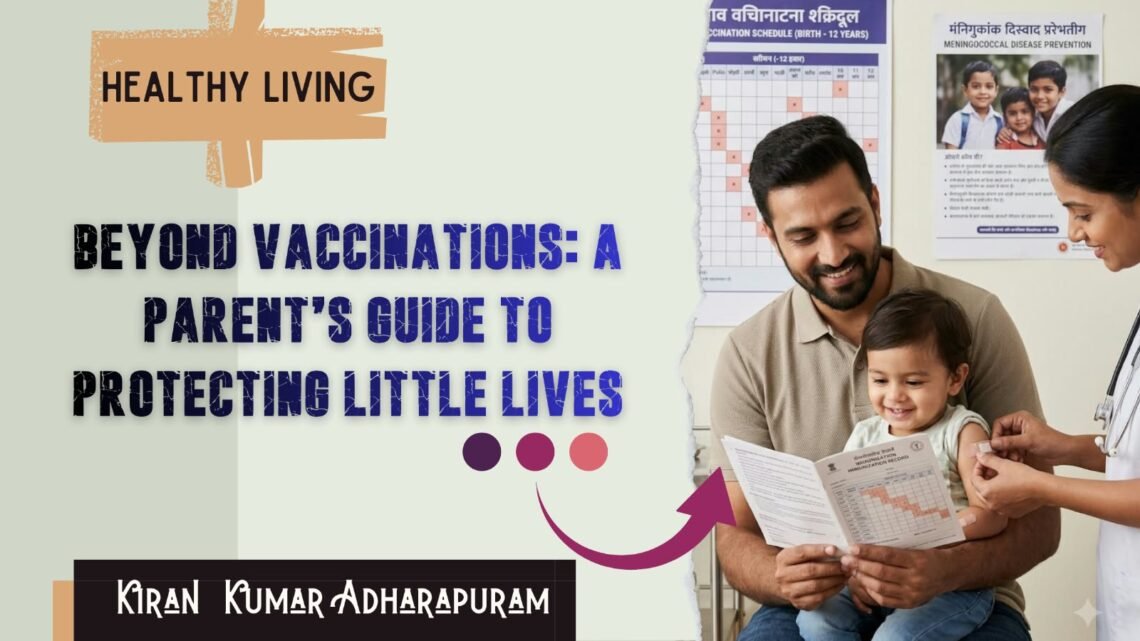
As part of the routine post-delivery process, before the mother and baby are discharged from the hospital, the hospital staff usually hand over a set of record booklets that document the baby’s birth details, growth, health, and immunization history. I still remember receiving detailed counselling from hospital experts for both my daughters to help me understand the various entries and details in these records.

The immunization record serves as a one-stop reference guide, tracking a baby’s vaccination journey from birth through the first 10–12 years of childhood. A typical immunization record documents both recommended and optional vaccines, along with their respective schedules and administration dates. As parents, we play an important role in ensuring that our children receive their vaccinations on time. An immunization tracker is equally beneficial, as it helps parents monitor vaccination schedules, keep track of completed doses, and receive timely reminders for upcoming vaccinations.
Vaccine Gaps: Understanding Optional Vaccines
Most routine vaccines, also known as mandatory vaccines, are widely prescribed and included in the Indian government’s Universal Immunization Programme (UIP). These vaccines are generally available free of cost at government health centres and primarily protect children against several vaccine-preventable diseases. However, as parents, we must also recognise that the world is constantly evolving, and our children may face health risks beyond those covered by the routine immunization programme.
Thanks to paediatricians who help spread awareness about medical advancements and additional preventive measures to protect children against serious infections that may not be covered under the government’s routine vaccination schedule. This is where optional vaccines come into consideration. As parents, understanding these additional vaccination options is important, as certain diseases can pose serious health risks if children are not adequately protected. Among the various optional vaccines available across the global healthcare sector is the meningococcal vaccine. Meningococcal vaccination is an important preventive measure against meningococcal disease, a serious bacterial infection caused by Neisseria meningitidis.
Meningococcal Vaccine..!!!
The Centers for Disease Control and Prevention (CDC), the leading science-based, data-driven public health agency in the United States, recommends meningococcal vaccination for all preteens and teenagers, as well as certain children and adults who may be at increased risk of meningococcal disease. According to the CDC, meningococcal vaccines are an effective way to protect against meningococcal disease. Broadly, three types of meningococcal vaccines are used in the United States: MenACWY, MenABCWY, and MenB vaccines.

Important Facts About Meningococcal Disease!!!
- Meningococcal disease is relatively uncommon but can cause severe illness and even death in people of all age groups.
- Meningococcal bacteria can spread from person to person through close or prolonged contact, particularly through respiratory and throat secretions.
- Meningococcal disease can progress rapidly and may become life-threatening within 24–48 hours after symptoms begin.
- Anyone can develop meningococcal disease; however, certain age groups and individuals with specific health conditions are at an increased risk. Young children, particularly infants, are among the vulnerable groups that require special attention.
Awareness Today, Protection Tomorrow!
Although most parents are aware that not all vaccines provide complete protection against infection, they can significantly reduce the risk of developing severe illness and complications. This makes vaccination an important preventive measure to safeguard the health and well-being of our little ones. Since meningococcal disease is relatively uncommon but potentially life-threatening, I have made an effort through this blog to create awareness among parents about its risks and preventive measures. Appropriate vaccination, based on a child’s age, individual risk factors, the available vaccine product, and immunization guidelines, can significantly reduce the burden of this potentially fatal disease.
For more details, refer to:
https://www.cdc.gov/meningococcal/vaccines/index.html
Disclaimer: This article has been written as part of an awareness initiative by Blogchatter and reflects the author’s personal views. It is for informational purposes only. It does not constitute medical advice, diagnosis, or treatment recommendations. Please consult your doctor for advice specific to your individual health needs.
Drop your valuable comments or share your thoughts below!